Alphabet Tracing: A Font That Builds Foundational Skills
Every great design, brand, or educational tool starts with a foundation. For early learners, that foundation is the alphabet, and mastering its form is a critical step. If you're creating materials for children—whether as a teacher, a parent, or a designer specializing in educational products—you know the importance of clarity and purpose. The right visual tools don't just look good; they actively support the learning process. This is where a purpose-built typeface becomes more than just a design asset; it becomes a teaching partner.
More Than Just a Font: A Learning Tool
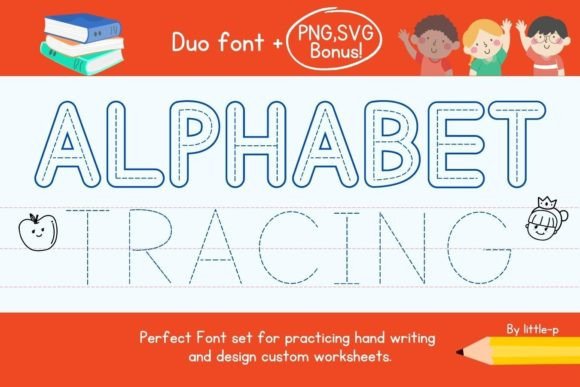
Alphabet Tracing is a specialized typeface designed with a singular, vital goal: to guide the development of early writing skills. Unlike decorative display fonts or complex script fonts, its character set is built on simplicity and legibility. Each letterform features clear, consistent strokes and ample interior space, making the path from start to finish intuitive for young hands following dotted lines. The visual design directly mirrors the motor skills being developed, creating a seamless connection between seeing and doing. For anyone producing worksheets, flashcards, or interactive learning apps, this font isn't a stylistic choice—it's a functional cornerstone of the user experience.
Practical Applications Beyond the Classroom
While its primary audience is educators and parents, the clean, structured aesthetic of Alphabet Tracing offers surprising versatility in commercial and creative projects. Its inherent clarity and approachable feel can bring a sense of authenticity and warmth to various designs.
- Brand Identity for Family-Focused Businesses: A daycare center, children's book author, or educational toy company can use this font in logos and marketing materials to instantly communicate a brand's core mission of nurturing growth. It builds immediate trust with the target audience—parents.
- Packaging Design: Imagine the packaging for a children's puzzle set or a DIY craft kit. Using Alphabet Tracing for product names or instructional snippets reinforces the product's educational value and engages both the child and the purchasing adult.
- Digital Products and Social Media: Content creators focusing on parenting, homeschooling, or child development can use this font for Instagram graphics, YouTube thumbnails, or downloadable printables. It ensures visual consistency across platforms and makes the content immediately recognizable as kid-friendly.
- Invitations and Event Materials: For a first birthday party or a "learning to write" celebration, this font adds a thematic, personalized touch that generic script fonts cannot match. It tells a story about the event's purpose.
Integrating Alphabet Tracing into Your Design Workflow
Using a specialized font effectively requires a bit of strategic thinking. Here’s how to leverage Alphabet Tracing for maximum impact while maintaining professional standards.
Font Pairing is Key. Because Alphabet Tracing is highly specific, it pairs best with neutral, clean sans-serif or serif fonts for body text. Think of it as the headline or accent font. For a worksheet, use Alphabet Tracing for the large, traceable letters and a font like Open Sans or Lora for instructions. This contrast ensures the instructional elements remain highly readable without competing with the primary learning activity.
Consider Your Medium. Test the font at the size it will be used. On a printed worksheet, the dotted lines need to be clear and spaced appropriately for pencil control. On a digital screen, ensure the letterforms render crisply at various resolutions. The font's strength is its legibility, so always prioritize that over purely aesthetic sizing.
Understand the Licensing. As with any commercial font, verify the licensing terms. If you're creating products for sale—like printable worksheet packs on Etsy or educational apps—you need to ensure the font license permits commercial use. This is a non-negotiable step for any professional project.
Building a Cohesive Educational Ecosystem
The true power of a tool like Alphabet Tracing is realized when it's used to create a unified visual language across all touchpoints of a learning experience. A child who practices with worksheets in this font can then see the same letterforms on a reward chart, in an instructional video, or on the cover of a storybook. This repetition strengthens letter recognition and builds confidence. For designers and creators, this means you can develop an entire suite of interconnected products—from digital downloads to physical merchandise—using this font as a consistent, recognizable thread. It transforms isolated assets into a branded learning system.
In the end, choosing a font like Alphabet Tracing is a decision rooted in empathy for the end-user. It acknowledges that effective design for children isn't about complexity or trendiness, but about clarity, support, and encouragement. Whether you're a teacher crafting tomorrow's lesson plan, a parent supporting homework time, or a designer building a brand around education, this typeface provides the foundational visual tool to make the journey of learning to write a little clearer and a lot more successful.