Vintage Cowboy Hat Font: Sketch-Style Charm for Modern Projects
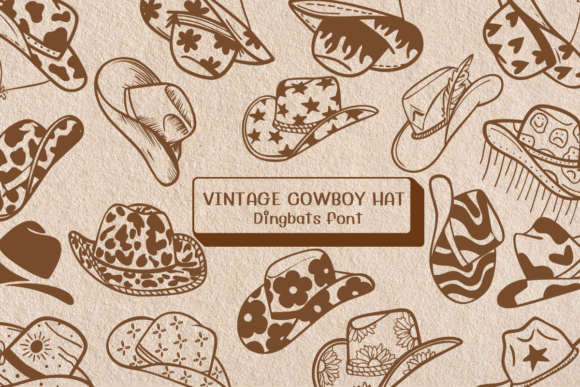
There’s something undeniably magnetic about the worn leather, dusty trails, and handcrafted authenticity of the American West. It’s a feeling of heritage, resilience, and rugged individualism. Now, imagine capturing that entire spirit in a single typeface. The Vintage Cowboy Hat dingbats font does exactly that, offering a collection of sketch-style icons that bring a nostalgic, hand-drawn aesthetic to any creative endeavor. It’s more than just a set of symbols; it’s a visual shortcut to storytelling.
More Than a Dingbat: A Visual Vocabulary
At its core, Vintage Cowboy Hat is a dingbats font. Instead of letters and numbers, its keys produce themed illustrations—in this case, iconic cowboy and Western motifs rendered in a loose, sketchy style. Think of it as a curated library of design assets at your fingertips. You might find a weathered hat, a pair of spurs, a cactus, a horseshoe, a lasso, or a sheriff’s star. Each character is crafted with visible lines and imperfect textures, giving them the authentic, handmade quality of a pencil sketch in an old journal.
This sketch style is key to its appeal. In a digital landscape often dominated by clean vectors and perfect gradients, these illustrations introduce warmth, personality, and a human touch. They feel less like computer-generated graphics and more like illustrations from a vintage postcard or a rancher’s ledger. This quality makes them incredibly versatile for projects that aim to feel approachable, artisanal, or rooted in tradition.
Where This Creative Font Truly Shines
The practical applications for a thematic display font like this are vast. Its strength lies in its ability to instantly convey a mood, making it a powerful tool for brand identity and visual communication.
For Branding and Logo Design: A boutique brewery, a rustic wedding venue, a vintage clothing store, or a craft leatherworker could use these icons to build a cohesive brand identity. A horseshoe or a cactus symbol can become a memorable part of a logo or a recurring motif on business cards and letterheads, adding depth and character that plain text can’t achieve.
For Packaging and Merchandise: Imagine the charm of a coffee bag adorned with a sketchy cowboy hat, or a craft beer label featuring a detailed spur. These icons can elevate packaging design from functional to storytelling. They work beautifully on merchandise like tote bags, t-shirts, and mugs, creating products that feel unique and collected.
For Digital and Print Marketing: The font is a secret weapon for social media graphics. Use a small icon as a bullet point in an Instagram carousel, a decorative element in a Pinterest pin, or a thematic border for a Facebook post. In editorial design, they can break up text in blogs or magazines, adding visual interest to articles about travel, history, or outdoor living. For print, they are perfect for posters, event flyers, and invitations—especially for weddings, parties, or community events with a Western theme.
Pairing for Professional Polish
A common question with highly thematic fonts is how to use them without overwhelming a design. The answer lies in thoughtful font pairing and restraint. Vintage Cowboy Hat icons are meant to be accents, not the main text.
For body copy, always pair them with a highly readable sans serif font or a classic serif font. A clean sans serif like Montserrat or Open Sans provides a modern, stable counterbalance to the sketchy, rustic icons. A traditional serif like Times New Roman or Garamond can enhance the vintage, editorial feel. The goal is visual consistency where the icons support the message without competing with it.
Think about hierarchy. Use the dingbat icons for headlines, section breaks, or decorative borders. Let your chosen typeface handle all the important information. This approach maintains professional presentation and ensures your audience engagement is with your content, not distracted by illegible text.
A Practical Checklist for Implementation
Before diving in, a little planning ensures success. First, review the included font styles. Does the font family include multiple weights or variations? Some premium fonts offer light, regular, and bold sketch styles, giving you more flexibility.
Next, test font pairings directly in your project file. Place a few icons next to your potential body copy font. Check the scale—do the icons feel balanced with the text size? Ensure the visual weight of the sketchy lines doesn’t overpower your main font.
Crucially, consider readability. While the icons are decorative, any accompanying text must remain perfectly legible. This is especially important for web design and marketing assets where clear communication is paramount.
Finally, verify commercial licensing. If you plan to use these icons in a logo for a client, on merchandise for sale, or in widely distributed digital products, you must have a license that permits commercial use. This is a non-negotiable step for any small business owner, entrepreneur, or content creator using design assets professionally.
By treating the Vintage Cowboy Hat font as a specialized tool in your modern typography